
Be the first to comment on this article
Please register if you want to comment
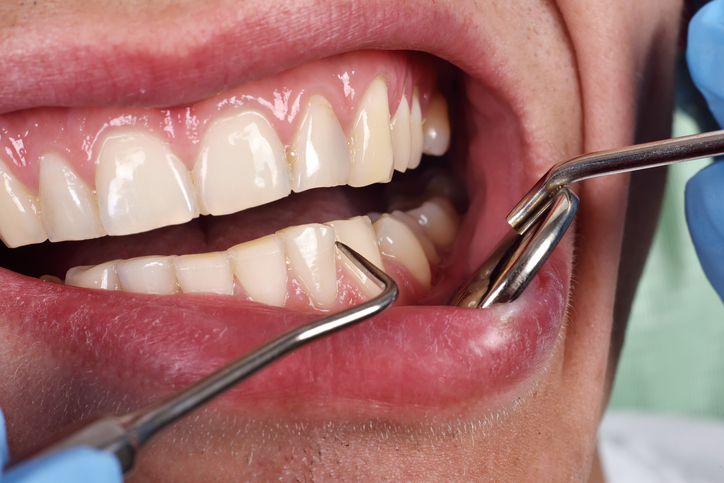
What Defines the Foundation of Oral Health?
Healthy gums form the base of strong teeth. Periodontal health refers to the stability of the gums and bone that support your teeth. When these structures become inflamed or infected due to plaque and tartar buildup, gum disease begins to develop. According to the CDC, nearly 47% of adults over 30 show some signs of periodontal disease — a clear indicator of how common and often overlooked this condition is.
Dr. Hussein Kalimuddin, DDS, emphasizes that oral health isn’t only about clean teeth but also about maintaining the integrity of the tissues that hold them in place. He explains that routine dental cleanings work well for preventive care, but once gum disease develops, a more structured approach — the periodontal maintenance plan — becomes necessary.
What Is a Regular Dental Cleaning?
A regular dental cleaning (prophylaxis) is preventive care. Its goal is to remove plaque, tartar, and stains above the gum line before they cause inflammation or decay.
During a regular cleaning, the dental hygienist:
This procedure is ideal for patients with healthy gums and no history of periodontal disease. It’s typically scheduled every six months, although individual needs can vary.
Dr. Kalimuddin notes that routine cleanings keep the mouth healthy, but they don’t address the deeper bacterial pockets that form when gum disease progresses.
What Is a Periodontal Maintenance Plan?
A periodontal maintenance plan is a structured treatment schedule designed for patients who have been diagnosed with — or previously treated for — gum disease. It goes beyond a standard cleaning by targeting bacteria below the gum line and preventing the recurrence of periodontal infection.
A periodontal maintenance visit usually includes:
Dr. Kalimuddin explains that gum disease is a chronic condition — it cannot be fully reversed, but it can be managed through consistent maintenance and professional monitoring.
How Do You Know If You Need Periodontal Maintenance Instead of a Regular Cleaning?
The shift from routine cleaning to periodontal maintenance depends on your gum health status. Here are key indicators that suggest you may need periodontal maintenance instead of standard cleaning:
Dr. Kalimuddin advises that if your gums have already undergone treatment for infection, returning to standard cleanings could allow bacteria to repopulate — undoing the progress made during therapy.
What Happens If You Skip Periodontal Maintenance?
Skipping periodontal maintenance increases the risk of bacterial regrowth beneath the gums. Without professional cleaning, these bacteria can destroy the supporting bone and connective tissue, leading to tooth mobility or loss.
According to the American Academy of Periodontology (AAP), untreated gum disease is the leading cause of tooth loss in adults. It is also linked to systemic conditions such as heart disease, diabetes, and respiratory infections.
Dr. Kalimuddin stresses that periodontal maintenance protects not only your smile but your overall health. He notes that maintaining gum health reduces inflammation throughout the body and lowers systemic disease risks.
How Often Should You Visit for Periodontal Maintenance?
Frequency depends on your individual periodontal status. Most patients benefit from visits every 3 to 4 months. These intervals prevent harmful bacteria from reestablishing in deep gum pockets. Patients with well-controlled gum health may gradually move back to 4- or 6-month intervals under supervision.
Dr. Kalimuddin and his hygiene team at Foundations Family Dentistry tailor each maintenance plan to the patient’s gum condition, medical history, and oral hygiene habits. This customized approach ensures consistent progress and long-term stability.
Can You Return to Regular Cleanings After Periodontal Maintenance?
In most cases, once diagnosed with periodontal disease, ongoing maintenance becomes a permanent part of oral care. However, if gum health remains stable for several years and pocket depths normalize, Dr. Kalimuddin may recommend transitioning to a hybrid care schedule — alternating between maintenance and prophylaxis visits.
This decision depends on clinical measurements, tissue response, and radiographic evaluation, not just visible gum appearance.
How Does Dr. Hussein Kalimuddin Approach Periodontal Care?
At Foundations Family Dentistry, Dr. Kalimuddin integrates science-based periodontal protocols with a personalized patient experience. His advanced training in dental surgery and management of complex medical cases allows him to identify subtle signs of gum disease before they progress.
He uses:
His philosophy centers on prevention through partnership. “When patients understand their condition and participate actively in their care,” Dr. Kalimuddin shares, “we achieve stronger, healthier outcomes together.”
What Can You Do at Home to Support Periodontal Maintenance?
Daily oral hygiene remains the backbone of periodontal health. Even with professional maintenance, consistent at-home care is essential.
Recommended habits:
Schedule dental checkups consistently.
These simple actions enhance healing and help maintain the results of professional treatment.
Why Early Intervention Matters
Gum disease often progresses silently. Pain or mobility usually appears only when damage becomes advanced. Identifying symptoms early and seeking treatment promptly allows for less invasive procedures and better outcomes.
Dr. Kalimuddin emphasizes that periodontal maintenance is not an optional upgrade — it is a medical necessity for those with gum disease. Ignoring it could compromise both oral and systemic health.
The Bottom Line
The foundation of a healthy mouth lies in proactive care. Regular cleanings protect healthy gums; periodontal maintenance preserves damaged ones. Understanding the distinction empowers you to choose the right care level for your needs.
If you’ve noticed bleeding gums, bad breath, or gum sensitivity, schedule a periodontal evaluation at Foundations Family Dentistry. Dr. Hussein Kalimuddin and his team can help determine whether a maintenance plan is the key to rebuilding your oral health foundation.
Copyright © 2024 | DentaGama | All rights reserved