
Be the first to comment on this article
Please register if you want to comment
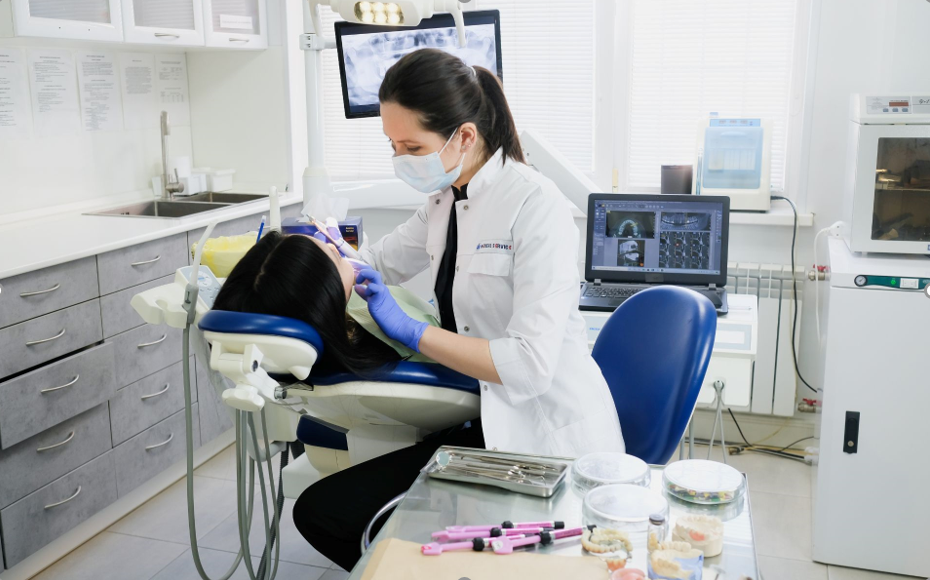
Let’s understand how small dental issues slowly grow and what you can do to stop them before they become painful and expensive to fix.
It All Starts Small
Many orthodontic problems begin with something as basic as poor oral hygiene. Neglecting proper brushing and flossing leads to plaque accumulation. This results in tooth decay, gum disease, and unpleasant breath. If these indicators are disregarded, your teeth may become misaligned. When teeth move, your bite changes. This is where the real trouble begins.
Another common issue is thumb-sucking or using pacifiers for too long in childhood. These habits might seem harmless, but they can shape the jaw and tooth alignment in unhealthy ways. Over time, this leads to problems like overbites or underbites that require professional correction.
Mouth breathing is another overlooked concern. Children or adults who breathe through their mouth instead of their nose often develop narrow jaws. This restricts space for the teeth, causing crowding and bite issues.
This is why many people end up visiting an orthodontist in Sunnyvale TX not because of how their smile looks—but because they’re in real pain or facing daily discomfort. What started as a small issue eventually requires long-term treatment.
The Domino Effect of Delay
One of the biggest problems with dental issues is how they silently get worse. You may feel a little discomfort while chewing, or your teeth may look slightly out of line. But when you don’t seek timely advice, these conditions get harder to manage. Teeth may wear down unevenly. Jaw muscles may become strained. And before you know it, the solution involves braces, retainers, or even surgery.
Common Dental Problems That Lead to Orthodontic Treatment
Let’s take a look at some minor dental issues that often grow into orthodontic concerns:
1. Tooth Crowding
Slight crowding in early years might seem normal. But if not corrected, it can lead to overlapping teeth, crooked smiles, and an increased risk of cavities.
2. Gaps Between Teeth
Small spaces between teeth may feel harmless. Yet, with time, these gaps might grow larger and alter the relationship between your upper and lower teeth.
3. Bite Problems
Misaligned bites like overbites, underbites, or crossbites often begin as subtle irregularities. When ignored, they cause jaw pain and even headaches.
4. Jaw Clicking or Popping
Clicking sounds in the jaw may be a sign of temporomandibular joint (TMJ) issues. These symptoms can worsen and affect chewing and speaking.
5. Shifting Teeth
Teeth that start to shift slightly may indicate bone loss or gum disease. If not stabilized early, they can ruin the entire alignment.
The Role of Early Diagnosis
The good news is that many orthodontic issues are preventable. Regular dental check-ups help in detecting changes early. Dentists often refer patients to orthodontic care when they notice signs of movement or bite irregularities. Early intervention is always simpler, more affordable, and more effective.
Children as young as 7 can benefit from an orthodontic evaluation. Early assessments allow specialists to guide jaw development, prevent crowding, and create room for permanent teeth. In adults, timely correction of bite and alignment prevents future complications.
Why You Shouldn't Wait
Many people avoid seeking treatment because they think orthodontic care is only about looks. But it’s more than just straightening teeth. Misaligned teeth are harder to clean, which leads to decay and gum infections. An incorrect bite can make chewing difficult, causing digestive problems. In some cases, untreated dental issues even lead to speech difficulties and self-esteem problems.
Delaying treatment doesn’t just increase your discomfort and it increases the cost and complexity of care. What could have been managed with a retainer might now require braces or more advanced procedures.
A Word from the Experts
An experienced orthodontist doesn’t just fix teeth, they improve lives. Their work ensures proper jaw alignment, reduces pain, and improves the overall function of your mouth. Whether you're a child with early signs of misalignment or an adult facing bite problems, professional care is key to lasting oral health.
Final Thoughts
Minor dental issues are like small cracks in a wall. You may not notice them at first, but over time, they grow and cause serious damage. The earlier you act, the better your chances of avoiding major orthodontic treatment.
Don’t ignore the signs. Pay attention to your teeth, your bite, and your smile. And if anything feels off, talk to your dentist. A referral to an orthodontist might be the first step toward a healthier mouth and a more confident you.
Copyright © 2024 | DentaGama | All rights reserved